
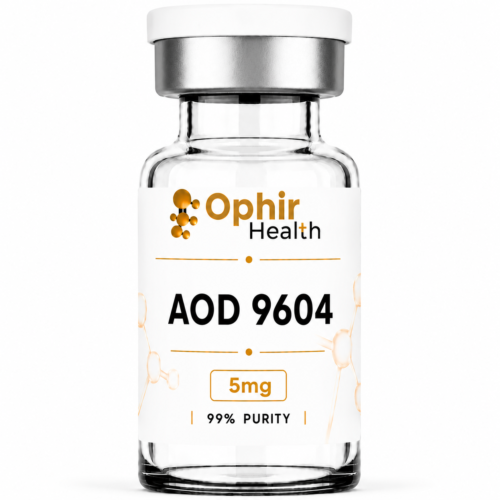
- AOD 9604 is a specialized peptide fragment of human growth hormone (HGH) designed specifically for fat metabolism, offering targeted fat loss without affecting blood sugar levels or muscle mass.
- This peptide mimics the fat-burning activity of HGH, promoting the breakdown of fat cells (lipolysis) and inhibiting the formation of new fat tissue (lipogenesis).
- Unlike full-length HGH, AOD 9604 focuses exclusively on fat reduction, making it ideal for users seeking to optimize fat loss without the anabolic effects associated with increased GH levels.
- AOD 9604 has shown promise in studies for reducing stubborn fat, particularly in areas like the abdomen, making it a preferred choice for enhancing body composition and promoting lean mass retention.
- Perfect for individuals aiming to improve fat metabolism and reduce body fat while maintaining a balanced metabolic profile without unwanted side effects.
-
-
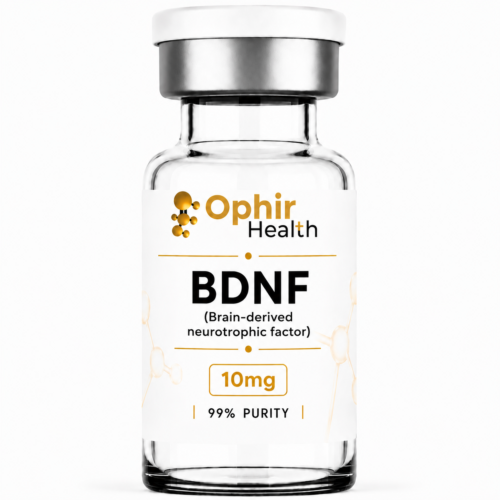
BDNF, or Brain-Derived Neurotrophic Factor, is a naturally occurring protein that plays an important role in the growth, communication, and maintenance of nerve cells. It is widely studied for helping researchers understand how the brain adapts and how connections between neurons change over time.
Research has explored BDNF in connection with neuroplasticity, learning, memory, neuronal growth, and synaptic signaling. Scientists also study BDNF-related pathways to better understand how nerve cells respond to stress, injury, aging, and changes within the nervous system.
Ophir Health BDNF provides a precisely measured format for laboratory research involving neuroplasticity, neuronal signaling, cognitive pathways, and neuroscience research.
-
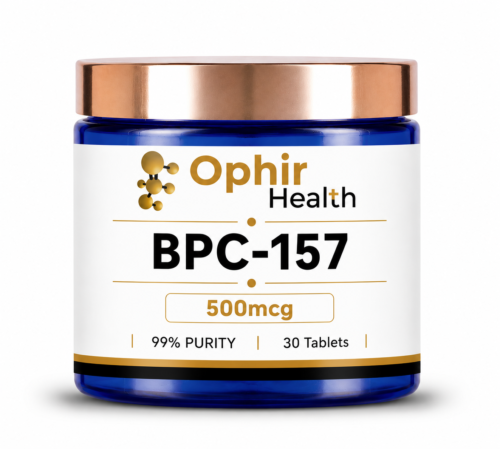
- BPC-157 is a potent peptide known for its regenerative properties, specifically designed to accelerate of muscles, tendons, ligaments, and even the gastrointestinal tract.
- Derived from a protective compound found in the stomach, BPC-157 works by promoting angiogenesis (the formation of new blood vessels) and enhancing the repair of damaged tissues, making it ideal for recovery from injuries.
- This peptide has shown significant promise in reducing inflammation and protecting against oxidative stress, contributing to faster recovery from muscle tears, joint damage, and chronic conditions like arthritis.
- BPC-157 also exhibits protective effects on the gut lining, making it valuable for individuals suffering from gastrointestinal issues such as ulcers, leaky gut, or inflammatory bowel disease (IBD).
- Perfect for athletes and those recovering from injury, OP-157 offers a powerful option for enhancing tissue repair, reducing inflammation, and promoting overall healing.
-
Curcumin is a naturally occurring compound found in turmeric and has been widely studied for its interactions with numerous cellular and molecular pathways. Unlike many products in the Ophir Health research catalog, curcumin is a polyphenol rather than a peptide.
Research has explored curcumin in connection with inflammatory signaling, oxidative stress, antioxidant activity, cellular metabolism, and cell-signaling pathways. Scientists continue to investigate how it interacts with molecular targets involved in cellular responses and biological stress.
Ophir Health Curcumin provides a precisely measured format for laboratory research involving inflammatory pathways, oxidative stress, antioxidant activity, and cellular biology.
-
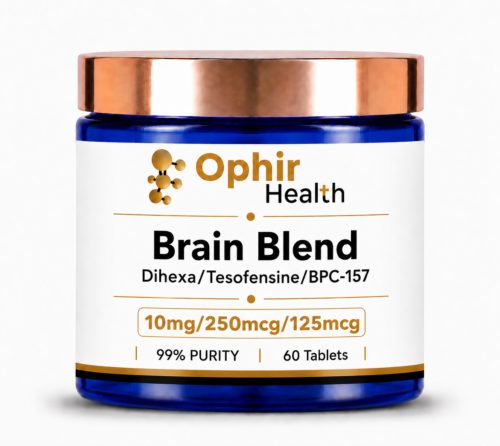
- Dihexa Tablets are a neuroactive peptide designed to enhance cognitive function by promoting the formation of new synaptic connections and supporting neuroplasticity in the brain.
- This compound has demonstrated the ability to improve memory, learning, and overall mental performance by mimicking brain-derived neurotrophic factor (BDNF) activity and activating key neural pathways.
- Dihexa supports long-term brain health by stimulating synaptogenesis and neuroregeneration, making it an ideal candidate for research in cognitive decline and age-related neurological conditions.
- In addition to its cognitive-enhancing effects, Dihexa has shown potential benefits for mood and focus, helping promote sharper mental clarity and emotional stability during high-demand cognitive tasks.
- Formulated for researchers exploring advanced nootropic agents, Dihexa Tablets provide a powerful tool for investigating cognitive repair and brain optimization applications.
-
DSIP, or Delta Sleep-Inducing Peptide, is a small peptide first identified during research into sleep and neurological activity. It has since been studied as scientists work to better understand the complex signaling systems involved in sleep, stress, and nervous-system function.
Research has explored DSIP in connection with sleep-related processes, neurological signaling, stress-response pathways, and neuroendocrine activity. Its biological mechanisms remain an active area of investigation, making it particularly relevant to experimental sleep and neuroscience research.
Ophir Health DSIP provides a precisely measured format for laboratory research involving sleep-related pathways, neurological signaling, stress-response biology, and neuroendocrine research.
-
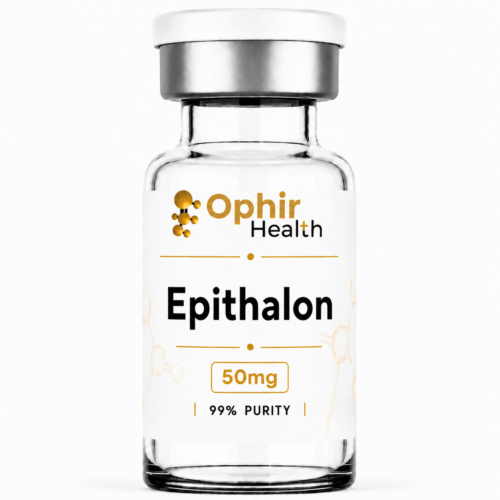
Epithalon is a synthetic tetrapeptide made from four amino acids and developed from research involving naturally occurring peptides associated with the pineal gland. It has gained scientific interest primarily within the fields of cellular aging and longevity research.
Studies have explored Epithalon in connection with telomerase activity, telomere biology, cellular aging, oxidative processes, and circadian-related pathways. Researchers continue to investigate these mechanisms to better understand how cells change over time and how biological aging influences cellular function.
Ophir Health Epithalon provides a precisely measured format for laboratory research involving telomere biology, cellular aging, longevity pathways, and age-related cellular processes.
-
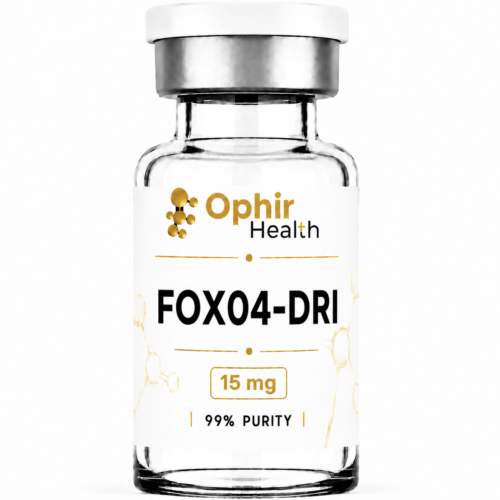
FOXO4-DRI is an experimental research peptide studied in the field of cellular senescence, the process in which aging or damaged cells stop dividing but remain biologically active. It was designed to interfere with the interaction between two proteins known as FOXO4 and p53.
Laboratory and animal research has examined whether disrupting this interaction can influence the survival of senescent cells while helping scientists better understand their role in aging and tissue function. This has made FOXO4-DRI an area of interest in cellular aging, senescence, and longevity-related research.
Ophir Health FOXO4-DRI provides a precisely measured format for laboratory research involving FOXO4-p53 signaling, cellular senescence, aging biology, and senescent-cell research.
-
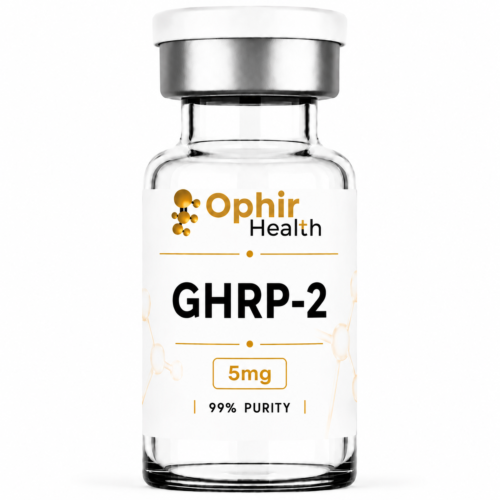
GHRP-2, or Growth Hormone-Releasing Peptide-2, is a synthetic research peptide that interacts with the growth hormone secretagogue receptor (GHS-R). This receptor is involved in communication between the brain and pituitary gland and plays a role in growth hormone and metabolic signaling.
Research has explored GHRP-2 in connection with growth hormone release, pituitary activity, ghrelin-related signaling, appetite pathways, and endocrine function. Scientists study these interactions to better understand how growth hormone secretion and metabolic signals are regulated.
Ophir Health GHRP-2 provides a precisely measured format for laboratory research involving GHS-R activity, growth hormone signaling, pituitary function, and endocrine pathways.
-
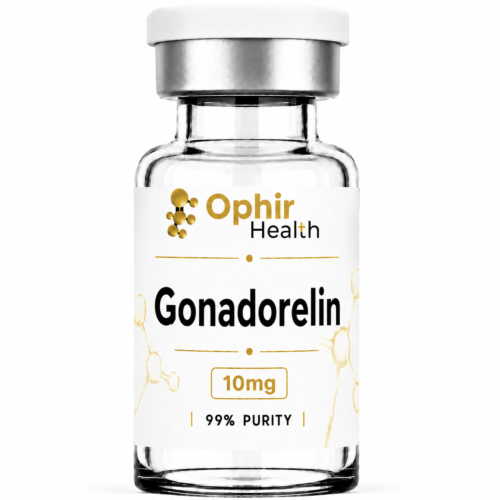
Gonadorelin is a synthetic form of gonadotropin-releasing hormone (GnRH), a naturally occurring hormone produced by the hypothalamus. GnRH acts as an important messenger between the brain and pituitary gland, helping researchers understand how the body regulates reproductive hormones.
Research has examined its relationship with luteinizing hormone (LH), follicle-stimulating hormone (FSH), pituitary activity, and reproductive signaling. These pathways play important roles in ovarian and testicular function and the broader regulation of the reproductive endocrine system.
Ophir Health Gonadorelin provides a precisely measured format for laboratory research involving GnRH signaling, pituitary function, reproductive biology, and endocrine pathways.