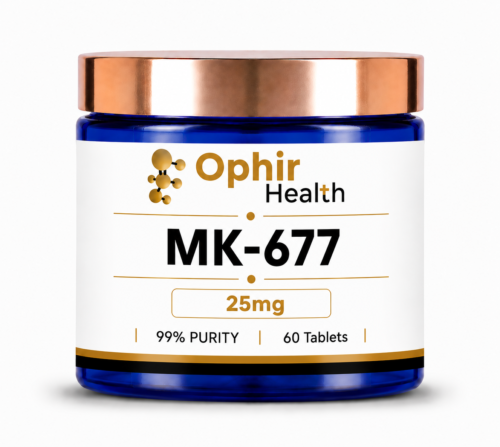

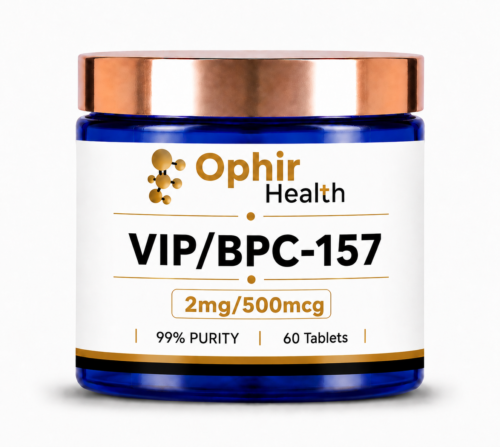
- VIP (2mg) / OP-157 (500mcg) is a dual-function oral peptide blend designed to support immune response, tissue healing, and epithelial protection across the respiratory and gastrointestinal systems.
- Aviptadil, a synthetic VIP analog, promotes vasodilation, reduces inflammation, and supports lung and gut lining integrity by acting on VIP receptors in epithelial tissues.
- OP-157 complements the blend by accelerating tissue regeneration, enhancing angiogenesis, and protecting the GI tract from inflammation and injury.
- This combination is ideal for research into systemic recovery, immune modulation, and multi-organ healing pathways.
- Formulated for comprehensive repair and inflammation support, our VIP& OP-157 blend offers a potent, research-driven approach to epithelial and immune health.
-
-
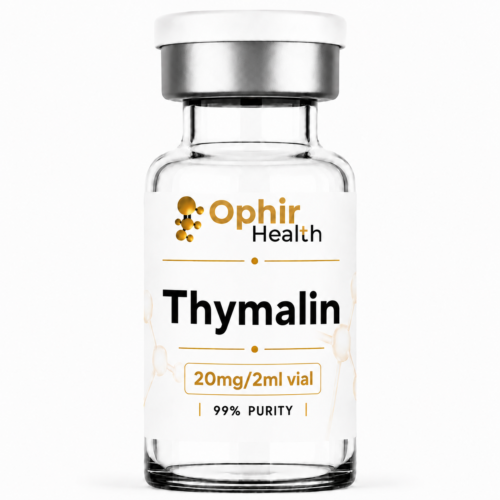
Thymalin is a synthetic research peptide modeled after naturally occurring peptides associated with the thymus gland, an organ that plays an important role in immune-cell development and regulation. Thymalin has been studied for its relationship with thymic function, immune signaling, and cellular processes associated with immune regulation.
Research involving Thymalin has explored its relationship with T-cell activity, immune response, cellular signaling, and age-related changes in immune function. Researchers have also investigated thymic peptides in connection with oxidative stress, cellular regulation, and biological processes associated with aging.
Ophir Health Thymalin 20mg 2ml Vial provides a precisely measured format for laboratory research involving thymic function, immune signaling, T-cell activity, cellular regulation, and age-related biological processes.
-
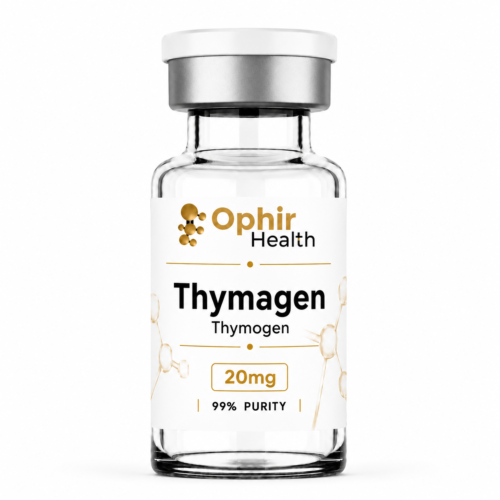
Thymagen (Thymogen) is a synthetic research peptide modeled after naturally occurring thymic peptides, which are associated with the thymus gland and its role in immune-cell development and regulation. Thymogen has been studied for its interaction with immune signaling and cellular processes associated with thymic function.
Research involving Thymagen (Thymogen) has explored its relationship with T-cell activity, immune response, cellular signaling, and immune regulation. Researchers have also investigated thymic peptides in connection with inflammatory pathways, cellular stress responses, and age-related changes in immune function.
Ophir Health Thymagen (Thymogen) 20mg provides a precisely measured format for laboratory research involving thymic function, immune signaling, T-cell activity, cellular regulation, and age-related biological processes.
-
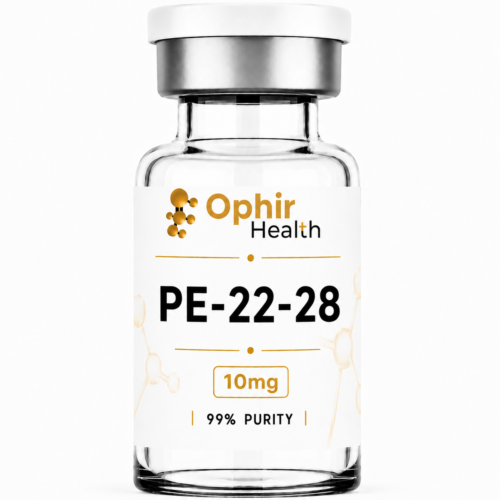
PE-22-28 is a synthetic research peptide derived from spadin, a naturally occurring peptide associated with neurological signaling. It has gained scientific interest for its interaction with TREK-1, a potassium channel found in the nervous system that helps regulate electrical activity and communication between nerve cells.
Research involving PE-22-28 has explored its relationship with TREK-1 activity, neuroplasticity, neurogenesis, and synaptic function. Preclinical researchers have examined how these pathways relate to mood-related behavior, the formation of new neurons, and communication between brain cells.
Ophir Health PE-22-28 provides a precisely measured format for laboratory research involving TREK-1 signaling, neuronal activity, neuroplasticity, and neuroscience research.
-
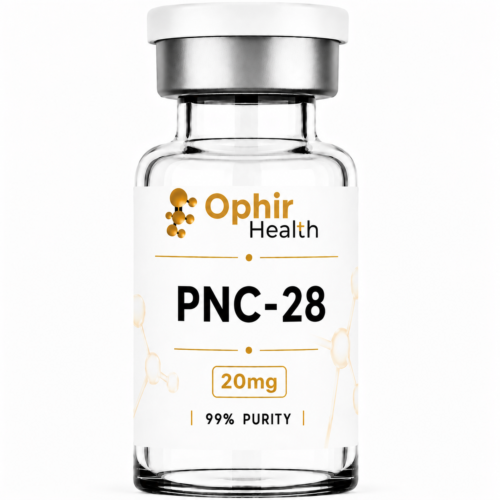
PNC-28 is a synthetic research peptide derived from a region of p53, a protein involved in regulating cell growth and the way cells respond to damage. The peptide has gained scientific interest for its potential interactions with cellular membranes and proteins associated with abnormal cell growth.
Laboratory research has explored its interaction with HDM-2, a protein found at elevated levels in certain cancer cells. Studies have examined how this interaction may influence cell-membrane activity and cellular responses, making it an area of interest in cancer-cell biology and experimental oncology research.
Ophir Health PNC-28 provides a precisely measured format for laboratory research involving p53 pathways, HDM-2 interactions, cell-membrane activity, and cellular biology.
-
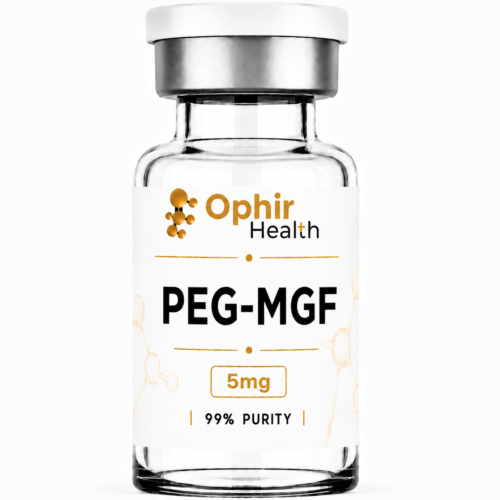
PEG-MGF is a modified form of Mechano Growth Factor (MGF), a peptide associated with the IGF-1 family and studied for its role in the way muscle tissue responds to mechanical stress. The addition of polyethylene glycol, known as PEGylation, is designed to increase the peptide’s stability and extend its presence in experimental settings.
Research has explored MGF-related pathways in connection with muscle-cell activity, tissue remodeling, cellular growth, and responses to mechanical stress. Scientists have also examined its relationship with muscle progenitor and satellite cells, which are involved in the biological processes surrounding skeletal-muscle maintenance and repair. (PubMed)
Ophir Health PEG-MGF provides a precisely measured format for laboratory research involving IGF-1-related pathways, muscle-cell signaling, tissue response, and skeletal-muscle biology.
-
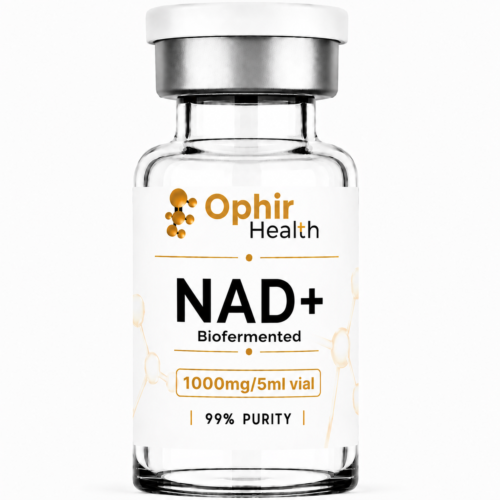
NAD+ (Nicotinamide Adenine Dinucleotide) is a naturally occurring coenzyme found in cells throughout the body and plays an important role in converting nutrients into cellular energy. Biofermented NAD+ is produced through fermentation-based processes and is studied as part of research into cellular metabolism and energy production.
Research has explored NAD+ in connection with mitochondrial function, cellular energy, DNA-related processes, oxidative stress, and metabolic activity. Scientists are particularly interested in how NAD+ levels and NAD+-dependent enzymes change with age and how these changes relate to cellular function.
Ophir Health NAD+ Biofermented provides a precisely measured format for laboratory research involving cellular energy metabolism, mitochondrial biology, NAD+-dependent pathways, and aging-related cellular research.
-
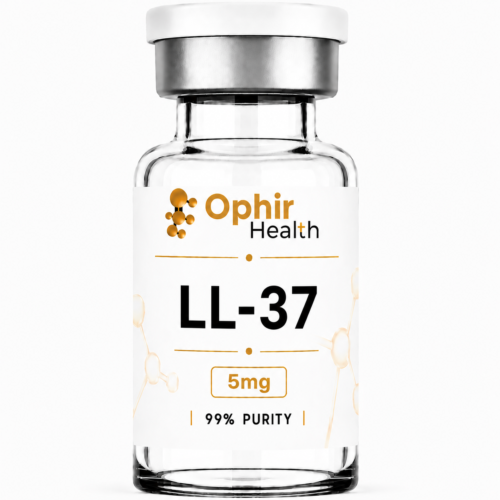
LL-37 is a naturally occurring antimicrobial peptide and the only known human member of the cathelicidin family. It forms part of the body’s innate immune system and is found in several tissues and immune cells, where researchers have studied its role in the body’s early biological responses to microorganisms.
Research has explored LL-37 in connection with innate immune signaling, antimicrobial activity, inflammatory pathways, and cellular responses. Scientists have also investigated its relationship with immune-cell communication, skin biology, blood-vessel formation, and biological processes involved in tissue and wound response. (PubMed)
Ophir Health LL-37 provides a precisely measured format for laboratory research involving innate immunity, antimicrobial peptide activity, immune signaling, and cellular-response pathways.
-
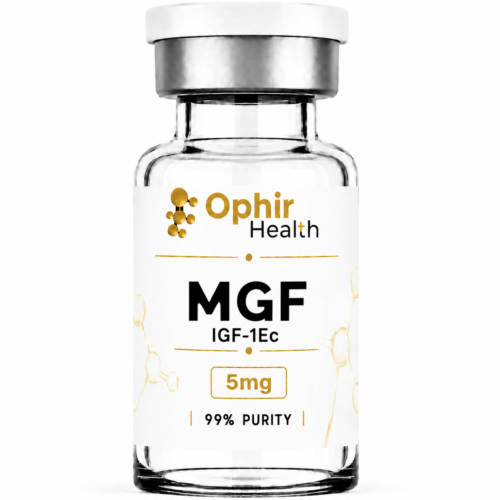
MGF, or Mechano Growth Factor, is associated with a specialized form of insulin-like growth factor-1 (IGF-1) produced in response to mechanical stress in tissues such as skeletal muscle. It has become an area of scientific interest for understanding how muscle cells respond and adapt to physical stress and tissue damage.
Research has explored MGF-related pathways in connection with muscle-cell activity, satellite cells, cellular growth, tissue remodeling, and skeletal-muscle response. Scientists have also investigated its relationship with muscle progenitor cells and the biological processes involved in maintaining and repairing muscle tissue. (PubMed)
Ophir Health MGF provides a precisely measured format for laboratory research involving IGF-1-related signaling, muscle-cell biology, tissue response, and skeletal-muscle research.